Lenora Park

Gwinnett County Parks: Lenora Park
4515 Lenora Church Road, Snellville 30058
Lenora Park is 178 acres of recreation and fun in Snellville and one of our favorite dog parks in Gwinnett County. Lots of open space, fenced in for safety, and separated in to two areas, one for large dogs and one for small. There is also a dog run area separated from the play areas, which is a great addition. The majority of owners at Lenora Park are friendly and responsible, always keeping an eye on their pet, but I caution owners to be cautious and stay alert no matter which dog park they are at.
As we all know, Gwinnett County can get warm in the summer and since Lenora Park is a lot of wide-open land and not a lot of shade, be sure to bring water for both you and your dog. You will also want to take along some pickup bags, since they are not provided for you at the park.

Meet Victoria

Photo: Say hello to one of our sitters Victoria, not only does she love all animals but she is a certified dog trainer and ready to help you get your kids in shape for summer.

I wanted you to meet one of our sitters, Victoria. Don’t be fooled by how sweet she looks, she is a certified dog trainer and can handle any dog big or small, and have them eating out of her hand!

Victoria helps out in the Buford – Dacula area doing daily dog walk(s) and taking care of all God(s) creatures when their owners are out of town. You can also book her for private  obedience lessons.

Gwinnett County Parks

These are our favorite dog parks in Gwinnett. We live in Lawrenceville, but we will travel across Gwinnett to Grayson, Duluth, Suwanee, or where ever we hear of a new dog park close to us! Here are OUR top 5 favorite dog parks in Gwinnett:

5. Lenora Park

4515 Lenora Church Road, Snellville 30058

4. Settles Bridge Park

380 Johnson Road, Suwanee 30024

3. Rabbit Hill Park

400 Rabbit Hill Road, Dacula 30019

2. Pinckneyville Park

4758 South Old Peachtree Road, Norcross 30071

1. Ronald Reagan Park

2777 Five Forks Trickum Road, Lawrenceville 30044

New Puppy Boot Camp: Choosing a Vet

Aside from a puppy’s parents, the most important human in his or her life is their doctor. Choosing the right veterinarian for your pet can be hard. There are so many options out there and deciding who to hand the important task of caring for your pup to can be a difficult decision.
For those who haven’t had pets in the past, we recommend narrowing your choices down to a few vets and scheduling a consult or introduction with each. The Internet or the phonebook are two excellent resources for discovering vets in your area. Asking friends and family, neighbors or even the manager at your local pet store for recommendations is another way to approach you search. (If you’ve hit a wall or need some extra input, let us know. We’d be more than happy to recommend someone nearby.)
Visiting prospective veterinarians gives you the opportunity to meet potential vets and their staff, visit each practice and hear about their unique philosophies and approaches to veterinary care.
It’s important to meet your pup’s doctor first because you want to ensure that you have good communication and understand each other. After you know that you feel comfortable with this person you can move on to asking the question that really matters: how are they going to care for your new puppy?
The first few years of a dog’s life are very important. During this time they receive the majority of their vaccinations and begin crucial stages of growth and development. (Not to mention curiosity tends to get them into a bit of trouble!) Ask potential vets about their vaccination schedule, emergency care services, in-house abilities (are tests and x-rays done at the facility? Or do they refer you to a specialist?), and how much do their services cost? Take in the friendliness of the staff, wait time, upkeep of the building and cleanliness. If it helps you to remember, take notes. This will help you compare later.
Looking for a bonus perk to break a tie of two worthy contenders? Inquire about their AAHA (American Animal Hospital Association) Membership. Acquiring this voluntary membership means a vet and his or her facility have met the standards upheld by the AAHA.

Puppy Boot Camp :Potty Training


New Puppy Boot Camp: Potty Training

Introducing your new puppy to potty training can be a frustrating and grueling task but with patience and consistency you will succeed. In this post I will describe ways to make potty training easier for both you and your pup.

Eliminate the Possibility of Accidentspuppy white background

Accidents are inevitable but there are a few things you can do to lessen their likeliness of happening.

  • Keep a constant routine. Make feeding time and potty breaks the same time each day. Eating at the same time each day will usually mean needing to go out at the same time too. Scheduled potty breaks can also teach your pup that they can rely on you to let them out and they won’t need to resort to going inside.
  • Take away water in the evening so that your pup doesn’t need to go out during the night.
  • Clean up soiled surfaces. Pups are likely to return to the same spot, especially if a residue or scent remains. Invest in carpet cleaner to get out tricky stains.

Praising & Scolding

  • When your puppy goes to the bathroom outside make sure you immediately respond with praise, whether in the form of cheer or a treat. This reaction lets your pup know that he or she has done something good and that this good thing makes you happy (and might even result in a yummy snack). Be consistent with your potty praise so that your pet associates one with the other.
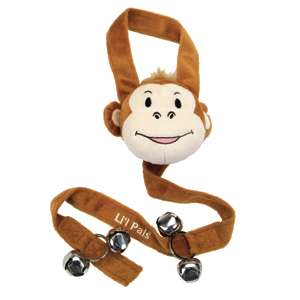
  • Scolding when your pup goes to the bathroom indoors is necessary but needs to be done right. If you come home to an accident, it’s too late. Your pup will unlikely connect your anger with the accident. However, if you catch your pet in the act, it is wise to quickly interrupt them by distracting them (speaking loudly works) and then instantly taking them outside so they can continue. Once they have finished outside it is then appropriate to praise as usual to signal that the change in behavior was good and appreciated.puppy potty training bells

While You’re Away

Pups under a year old need a little more TLC than older dogs. A young puppy will need to go to the bathroom every couple of hours so if you have a fulltime job or expect to be out of the house for a long period of time, it is best to have someone let your pup out for you during the first year.

At Gwinnett Pet Watchers we offer an affordable service called Potty Breaks. Monday through Fridays from 10 a.m. to 2 p.m. you are able to call on us to let your pup out for a quick ten-minute break. Call us at (404) 819-3641 or send us a message if you’re interested in learning more about this service.


New Puppy Boot Camp


Being a new mommy or daddy to a young pup can be a journey filled with uncertainty, fear, and a ton of messes! I know there are a lot of you out there who received a cuddly bundle of joy over the holidays and with Valentine’s Day right around the corner, I’m sure a few love pups will be gifted then as well.                     puppy in militery hat

To ease your new parent worries I will be posting tips over the next few weeks on how to take care of a new puppy. This New Puppy Boot Camp series will cover topics such as potty training, picking a vet, vaccinations, investing in obedience training, choosing the best pet food and much more.

As an introduction to the series, I’d like to start with an urgent topic that affects you and your pet’s safety—Puppy Proofing. Much like with a new baby, your home must be guarded to protect your puppy from harm. I mentioned a few cautions to take in a previous post titled, New Year’s Resolutions for You & Your Pet. In addition to investing in safety gates to block off dangerous areas of your home, cable clips to organize wires and secure them in discreet places, and outdoor lighting to avoid nighttime injuries, here are a few other tips to help you puppy proof your home.

  • Chemicals – Where do you keep them? If the answer is on the floor, whether in the kitchen, laundry room or bathroom, that needs to change. Chemicals should be stored up high and out of reach, or behind closed cabinets or doors. Designated “Chemical Cabinets” may help you avoid accidently leaving a door open and leaving your pup with access to harmful products.
  • Hot Hazards – Separate your pup from hot hazards, like the fireplace and a stove or oven that’s been turned on. Put up a safety gate when you’re cooking and secure your fireplace with a screen.
  • Electric Shock – Put covers on all electrical outlets that are accessible to your pet. Any appliances that are plugged in (even hairdryers and electric toothbrushes) should be kept away from a new puppy. Licking outlets or chewing on wires could result in electric shock.
  • Dainty Dangers – Small things, such as coins, needles, paperclips, magnets, toys, etc., can be choking hazards to your pup. Make sure no stragglers have been left on low surfaces or fallen on the floor.
  • Stairs – Before puppies get accustomed to walking and keeping their balance, they should avoid stairs. It can be hard for them to get up and down steps and if they try it could end in a bad fall.
  • Sharp Objects – Knives, razors, scissors and other sharp objects should not be left out or unattended. A puppy could lick them or try to chew on them and suffer some pretty bad consequences.
  • Garbage – Your puppy has no idea what’s “good” and what’s “bad” so leftovers in the garbage could just as easily be considered a gourmet meal. Even worse, while chowing down plastic packaging, aluminum wrapping and even glass could accidently be ingested. Keep garbage off limits, preferably in a can with a sealed lid.

Although I have covered a lot of potential dangers, there are always unsuspecting culprits just around the corner and you should take a survey of your home to help you determine anything that might cause harm to your pet. Check back with us next week for more tips during our New Puppy Boot Camp.floweres 6-10 035


10 Fun Facts About Furry Friends


We know the start of the week can be a drag, so to raise your spirits we put together this list of 10 fun facts about our furry friends. As a thank you, just pay it forward and share with a sleepy coworker. Happy Monday!

  1. A dog and their owner may seem like a match made in heaven, but the reason why is deeper than just selection. Studies suggest that dogs are subject to automatic imitation, which means they imitate what they see their owner do. Better be on your best behavior…
  2. Japanese researchers at Hiroshima University discovered that looking at pictures of baby animals makes people more productive at work. Makes sense. Haz you seen the lolcats?
  3. In evaluating dogs’ emotions, Sigmund Freud said, “Dogs love their friends and bite their enemies, quite unlike people, who are incapable of pure love and always have to mix love and hate in their object-relations.” A possible explanation to why dogs are more emotionally mature than humans, although we’re not sure how we feel about biting people that we’re not fond of.
  4. Catmoji, a sort of Facebook for cats, was launched in Malaysia as the first social networking site of its kind. Hey, felines need friends too!
  5. Humans aren’t the only ones who should be making fitness goals this year. The Association for Pet Obesity Prevention says about 53% of the dog population is overweight. And according to this article getting older (even in doggy years) is not an excuse…
  6. Dawg Grog is not slang for a sleepy pup, but the name of a beer brewed especially for dogs. There’s no alcohol but you should still monitor intake, you wouldn’t want your canine to be charged with a BUI (Barking Under the Influence).
  7. Bella was ranked by Discovery News as one of the top names in 2012 for both cats and dogs (#3 and #1, respectively). Looks like Vampire names are not just for babies.
  8. A personality study, titled the Gosling-Potter Internet Personality Project, confirmed that preferring cats or dogs is a result of personality. So we guess characterizing someone as a “cat lady” isn’t so far off, although who are we to judge?
  9. Although some owners are satisfied with teaching their dog sit and lay, others have higher expectations. Like handstands.
  10. And last but not least, you should know that even dogs get a kick out of photobombing.

Pet Watcher vs. Kennel

As a pet watcher, I am often asked why people should leave their animal with a sitter rather than board them at a kennel. In my opinion, there are many reasons. In this post I will highlight a few of the benefits of hiring a pet watcher over boarding your animal.

Personal Relationships
As you probably know, pets can grow very attached to their owners. It is sometimes difficult for an animal to be separated from their owner and when an owner has to leave for an extended period of time a pet can experience depression and anxiety. Some symptoms of separation can be simple changes in behavior, waiting continuously by the door or refusal to eat.
I find that having a familiar person step in for the owner is a much easier transition for pets. In most cases, they have met the person before so they do not need to become accustomed to a stranger and, overall, personal care allows them to feel the comfort and love that is not present in most kennels.

Safety and Health
Some kennels offer limited personnel and care resulting in your pet not receiving proper attention or regard. But risks while boarding your pet do not end with the humans that run it. Being in close quarters with other animals that your pet has not previously had interaction with can lead to fear and even fights. It is not uncommon for an animal to get bit or scratched by a fellow habitant during their stay.
Kennels are also famous for spreading sickness. “Kennel cough” is a term often used to explain upper respiratory infections that dogs catch while boarding. Keeping your pet in the privacy of your home allows them to avoid being afflicted with sickness or other harm.

Convenience
Hiring a pet watcher allows you to avoid the hassle of transporting and preparing your pet for a trip to the kennel. A pet watcher will come to you and cater to your special needs and schedule. Do you parent an animal with a special medical condition or have a young, energetic pup? A pet watcher will be able to serve any unique situation and save you the worry of leaving your pet at a kennel.
With a pet watcher you can also feel at ease that your home is being looked after during your absence. Owners that choose to hire a pet watcher over leaving their animal at a kennel note feeling greater ease and confidence while they are away.
For more information on our services, please visit our Services page or contact us with any questions or concerns.

New Year’s Resolutions for You & Your Pet


As the year comes to an end, we tend to instinctively think about the improvements we can make in our lives and how we can be better in the year to come. This New Year I propose to not only consider yourself, but your pet as well. I have put together this guide on how to keep your dog or cat healthy, happy and safe in 2013.
Trips to the Vet
At minimum you should take your pet to the vet once a year for an annual exam. Vaccines that are needed can be given at this time and any necessary blood work can be taken. Younger animals, older animals, or those with medical conditions may need more frequent visits. For example, the majority of your dog’s vaccines will be given in the first few years of life, meaning more vet trips during the puppy years. Consult with your veterinarian about vaccine schedules and routine visits to make sure you stay on track in the upcoming year.
Diet & Exercise
Most of us are guilty of looking at the New Year as the perfect starting point for a diet or exercise regimen. Why not take this opportunity to help your pet get fit in 2013 by making healthy changes to their diet and incorporating more fitness into their days.
The easiest way to improve your dog or cat’s diet is by doing some simple research on the pet food and treats you feed them. Are the ingredients wholesome and nutritious or is your pet food muddled with chemicals and preservatives? (My recent series What is Your Pet Eating? can offer more insight on this topic.)
As important as diet is exercise. All pets, young to old, need some form of physical activity. How much depends on his or her breed, age, size, and health condition, but every pet can benefit from a little bit every day. Walking, swimming, jogging, and playing games are just a few of the ways to get your pet moving. Swimming is the lowest impact activity, which means it’s safe for almost everyone, even those with limited mobility.
Pet-Proof
You would be surprised at how many things in your home and around your property can be hazardous to your pet. (I’m sure a few of you have discovered this season that your pet has a palette for Christmas tree ornaments…) Save yourself and your pet from a horrible ordeal by taking similar precautions that you would with a small child. Below you’ll find a few easy tips:
• Baby safety gates are excellent in blocking off dangerous areas of your home (or shielding your Christmas tree, for example).
• Cable clips can help compile wires or place them in discreet places where your animal won’t be tempted to investigate them.
• Outdoor floor lighting (or simply carrying a flashlight) can help illuminate areas when you take your pet out after dark. This will help you avoid an unexpected visit from a poisonous frog or friendly snake.

At the end of the day you know your pet better than anyone and are aware of which parts of his or her life could most benefit from improvement. I hope these tips aid in you making 2013 the best year for you and your pet. Happy New Year

What is Your Pet Eating? Part V

These last few weeks I have talked a lot about the negative effects of feeding your animals processed pet food, but I don’t believe in addressing a problem without offering a solution. In today’s post, the last of this five part series, I will provide suitable alternatives to feed your pets that will hopefully help you avoid processed pet food (and frequent trips to the vet).
Raw Food Diet
In a perfect world, your pet would be able to eat a completely raw diet, which would be most similar to what he or she would eat in nature. This raw diet would include raw meat and bones, as well as some vegetables and fruit.
Unfortunately, preparing raw meals can be very time consuming for an owner. Repetition of the same foods over and over again can also neglect your animal of all the nutrients he or she needs. That being said, feeding your pet a raw diet is possible, it just requires a lot of diligence and proper research.
Home Cooked Meals
Preparing your pet home cooked meals consists of planning balanced meals with adequate protein, fat, carbohydrates, vitamins and minerals. There are many recipe books out there and websites available for inspiration. For the most part, meals consist of cooked meat alongside rice or potatoes and a serving of vegetables.
As with a raw diet, cooked meals can be time consuming. They also require an owner to keep track of what their pet is eating to make sure they are receiving proper nutrition. If you are considering a raw or home cooked diet for your pet, be ready to make a lifelong commitment. It is not recommended to switch your dog on and off, from raw or home cooked back to processed kibble.
Packaged Goodness
For most owners, we do not have the time to keep up with a raw food diet or to prepare home cooked meals. Luckily there are some healthy alternatives on shelves that are far better choices than the processed pet food advertised by large manufactures. My personal favorite is Taste of the Wild, but my advice is to visit a food comparison website, like www.dogfoodadvisor.com, and find the best match for your pet and budget. Another good site to visit is www.truthaboutpetfood.com. Here you can find pet food reviews and learn about specific ingredients.
Once you pick a pet food that feels right for you and your pet, don’t forget that companies can change their ingredients. Check your packaging from time to time and visit websites, like the ones I listed above, to ensure that the food you are feeding your pet is still up to par.